
Why Youth Sports Coaching Matters for Development
Last updated: November 3, 2026 · By the Stretch-N-Grow of Greater San Antonio team

Youth sports are more than games and scoreboards. For young kids, they’re a place to build strong bodies, make friends, and learn how to handle a win, a loss, and everything in between. And the person who shapes that experience most is the coach. Good youth sports coaching can turn a nervous first-timer into a kid who can’t wait for the next practice.
Whether your child is starting a preschool sports class or a first rec league in San Antonio, here’s what experts say great coaching looks like, and how to spot it.
The quick answer
- Good youth sports coaching focuses on fun, effort, and skill-building, not winning.
- For kids under 6, the best “coaching” is short show-and-tell instruction with lots of play and no competition.
- Trained coaches matter: kids with qualified coaches are less likely to quit.
- Look for programs that let kids try many sports and give everyone equal playing time.
The American Academy of Pediatrics says coaches who focus on development and fun are more likely to have athletes who enjoy sports and stay involved.
What the experts say about youth sports coaching
Fun keeps kids playing. In its report on organized sports, the American Academy of Pediatrics says kids who enjoy sports are more likely to stay active through childhood. It found that young athletes often build personal responsibility, sportsmanship, goal-setting, and emotional control, and it urges coaches to put development and enjoyment ahead of winning. Staying active pays off, too: the CDC links regular physical activity in children to stronger muscles and bones, better fitness, and sharper focus.
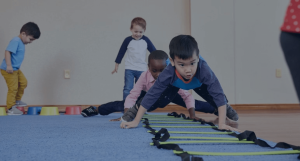
Match coaching to age. The AAP’s sports readiness guide explains that most kids ages 2 to 5 don’t yet have the balance, attention span, or ability to track moving objects that organized sports need. For this age, it recommends active play built around running, tumbling, throwing, and catching, with limited instruction and no competition. Ages 6 to 9 are ready for simple organized sports with flexible rules, smaller fields, and a focus on learning skills.
Trained coaches make a difference. The Aspen Institute’s Project Play reports that fewer than one-third of youth sports coaches are trained in key skills, and that qualified coaches are linked to kids being much less likely to quit. Project Play also encourages sport sampling and equal playing time through at least age 12.
Build skills before sports. Active for Life describes “physical literacy” as the skills, confidence, and love of movement that keep people active for life, starting with basics like running, hopping, throwing, catching, and jumping.
What makes a good youth sports coach?
They make it fun
A great coach knows a 4-year-old came to play. Games, silly names for drills, and lots of encouragement keep kids engaged. When kids leave practice smiling, they come back.
They praise effort, not just results
Coaches who celebrate hard work, trying something new, and getting back up after a miss help kids see that skills grow with practice. That mindset carries over to school and home.
They break skills into small steps
Instead of teaching a whole skill at once, good coaches start simple. For example, a coach might work on rolling and stopping a ball before kicking at a goal. Small wins build confidence.
They model respect and fair play
Coaches are role models. When they treat every child, parent, and opponent with respect, kids learn sportsmanship by watching. Clear team rules and kind language set the tone from day one.
They keep parents in the loop
Open communication helps families support what kids are learning. The AAP also encourages parents to ask programs about safety, including how coaches are hired and how they communicate with kids.

Questions to ask before you sign up
Use this checklist when you’re comparing sports programs or classes:
- Are coaches trained to work with young children?
- Is the focus on skills and fun, or on winning?
- Does every child get equal playing or participation time?
- Are practices short and active, with little standing in line?
- Can kids try different sports and activities?
- How does the program communicate with parents?
- What are the program’s safety policies and codes of conduct?
Coaching that fits each age
| Age | What kids are ready for | What good coaching looks like |
|---|---|---|
| 2–5 years | Running, tumbling, throwing, catching through active play | Show-and-tell instruction, lots of playtime, no competition |
| 6–9 years | Simple organized sports, basic skills | Flexible rules, smaller fields and balls, short practices, focus on learning over winning |
| 10–12 years | More complex team sports, strategy, teamwork | Skill development, fun, and participation; caution with year-round single-sport training |
Based on the American Academy of Pediatrics’ “Is Your Child Ready for Sports?” guidance.
How Stretch-N-Grow helps
Stretch-N-Grow of Greater San Antonio brings coach-led classes into local preschools and child-care centers. Our Fitness Stars program is a fun, action-packed class where kids work on strength, endurance, flexibility, and balance, and build the focus, self-control, and sports-readiness that set them up for what’s next. It’s available for children from 18 months to 6 years old.
Want to know what to look for in a class? Read our guide to kids fitness classes in San Antonio, or explore preschool enrichment programs in San Antonio.
Frequently asked questions
What age should kids start organized sports?
Most kids are ready for simple organized sports around age 6, according to the AAP. Before that, most children don’t yet have the balance and attention span team sports need. Ages 2 to 5 do best with active play that builds running, throwing, catching, and tumbling skills.
Why does youth sports coaching matter so much?
Coaches shape whether kids enjoy sports and keep playing. The AAP says coaches who focus on development and fun are more likely to have athletes who stay involved. Project Play links trained coaches to kids being much less likely to quit.
Should my child focus on one sport?
Experts generally recommend trying many sports in childhood. Project Play encourages sport sampling, and the AAP urges caution with early specialization and year-round training because of burnout and overuse injury risk. Let your child’s interests lead.
How can I tell if a coach is a good fit?
Watch a practice. A good fit usually means kids are moving most of the time, the coach praises effort, rules are explained simply, and children look like they’re having fun. Ask about the coach’s training and the program’s safety policies, too.
Ready to get your star moving?
Ask your child’s preschool or child-care center if they offer Stretch-N-Grow classes, or enroll through our iClass Pro portal. School directors can learn more on our schools page, and families can visit our parents page.
Want this for your child, right at their school?
Stretch-N-Grow coaches teach fitness, dance, music, yoga and sports during the school day at preschools across San Antonio. Your child’s first class is free.
Book a Free Class Find My SchoolPreschool director? Book a free demo class for your center
Sources and further reading
- American Academy of Pediatrics (HealthyChildren.org): American Academy of Pediatrics Encourages Organized Sports – For the Fun of It
- American Academy of Pediatrics (HealthyChildren.org): Is Your Child Ready for Sports?
- Aspen Institute Project Play (via ODPHP): 8 Strategies from Project Play to Build Kids into Athletes for Life
- Active for Life: What Is Physical Literacy? Here’s What You Need to Know
- CDC: Health Benefits of Physical Activity for Children
This article is for general information and isn’t a substitute for advice from your child’s pediatrician.
views
Recent Posts
See All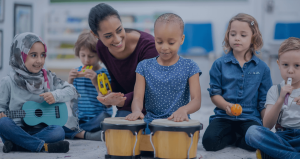
Last updated: November 3, 2026 · By the Stretch-N-Grow of Greater San Antonio team If you've started looking into preschool...
Last updated: October 29, 2026 · By the Stretch-N-Grow of Greater San Antonio team If your little one treats the...

Last updated: November 3, 2026 · By the Stretch-N-Grow of Greater San Antonio team Photo: Yan Krukau on Pexels One...